
Protecting Natural Rights: The Bill of Rights and Government Power
How can the government protect people’s natural rights?
Students will investigate how governments protect people’s natural rights by examining the Bill of Rights, grievances listed in the Declaration of Independence, and different forms of government. Through source analysis, collaborative discussion, and constructive dialogue activities, students will evaluate how democratic governments protect individual freedoms and how constitutional rights continue to shape civic life today.
Objectives:
- Explain how the Bill of Rights protects individual rights and limits government power.
- Analyze connections between grievances in the Declaration of Independence and protections in the Bill of Rights.
- Compare how different forms of government protect or limit people’s natural rights.
- Use evidence from primary and secondary sources to support claims and civic discussions.
Assessment:
- Bill of Rights Source Analysis
- Collaborative Discussions
- Foundations Exchange Activity Participation
- Constitutional Amendment Proposal
Resources
Download Lesson
DownloadFeatured Lesson Plans
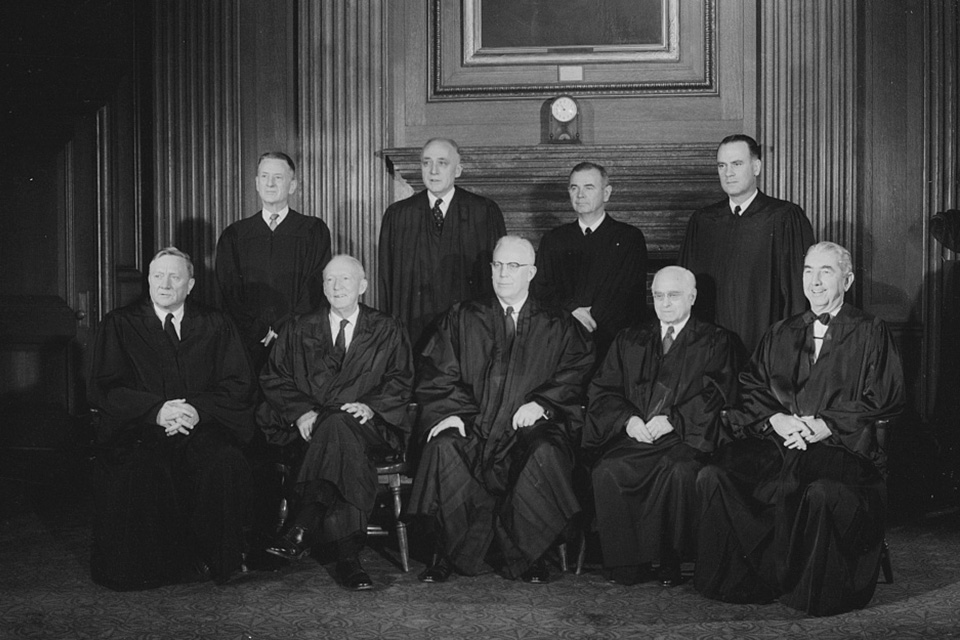
Beyond the Text
In this lesson, students investigate how the Supreme Court expands, limits, and redefines individual rights over time by analyzing landmark constitutional cases. Through a collaborative gallery walk and peer presentations, students compare legal precedents and construct an evidence-based argument on whether the Court should protect rights not explicitly written in the Constitution.
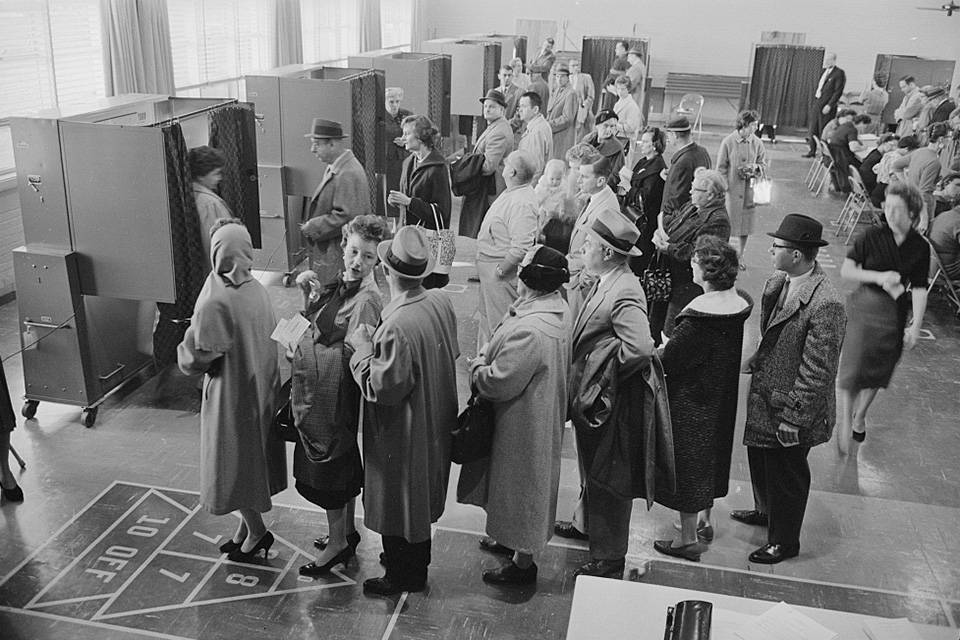
Expanding the Vote
Students will explore the tension throughout United States history in expanding the elective franchise. This tension draws into question some of the Declaration of Independence’s founding principles: popular sovereignty, republicanism, and equality.
Pursuit of Happiness
In this lesson, students will investigate how Americans conceptualized the ‘Pursuit of Happiness’ at various points in history and how this relates to government action and their own individual civic virtue. Students watch a short video, examine excerpts from primary sources, and reflect on their own understanding of happiness through debate, dialogue, and writing. By the end of the lesson, students will evaluate whether it is more important to have a government of laws or a culture of individual civic virtue in order to promote the “pursuit of happiness.”