
Expanding the Vote
Has the right to vote in the United States changed over time?
Students will explore the tension throughout United States history in expanding the elective franchise. This tension draws into question some of the Declaration of Independence’s founding principles: popular sovereignty, republicanism, and equality.
Objectives:
- Students will identify patterns and changes in voting rights over time in the United States.
- Students will analyze the relationship between voting and popular sovereignty.
- Students will assess the influence their right to vote has on both internal and external political efficacy.
Assessment:
- Primary source guided questions
- Webquest
- Exit Ticket
Resources
Download Lesson
DownloadFeatured Lesson Plans
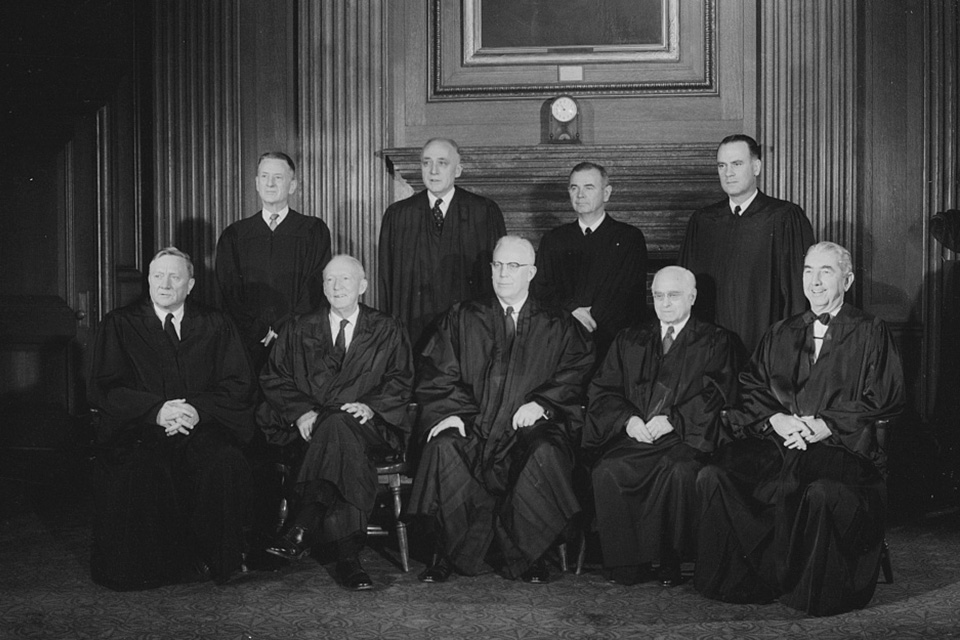
Protecting Natural Rights: The Bill of Rights and Government Power
Students will investigate how governments protect people’s natural rights by examining the Bill of Rights, grievances listed in the Declaration of Independence, and different forms of government. Through source analysis, collaborative discussion, and constructive dialogue activities, students will evaluate how democratic governments protect individual freedoms and how constitutional rights continue to shape civic life today.
Promises and Protections: Are Rights Equal for Everyone?
Students will investigate whether natural rights have been equally protected for all people in the United States throughout history. Through analysis of constitutional rights, Jim Crow laws, voting rights expansion, and civic discussion, students will examine how rights and freedoms have been protected, limited, and expanded over time.
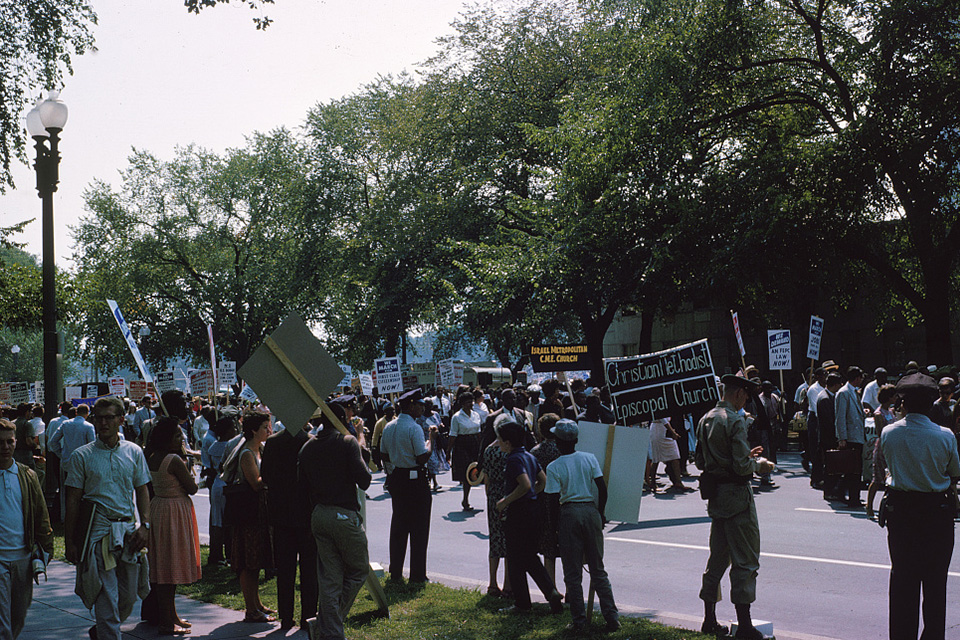
A Living Constitution
In this lesson, students investigate how the Constitution balances stability and change through the amendment process and civic participation. Through analysis of Article V, historical amendments, and case studies of social movements, students examine how citizens have influenced constitutional change over time. Students evaluate why the amendment process is intentionally difficult, explore how civic action can lead to reform, and consider the role of individuals and groups in shaping a living Constitution.