
Pursuit of Happiness
Is the pursuit of happiness better protected by a government of laws or by civic virtue?
In this lesson, students will investigate how Americans conceptualized the ‘Pursuit of Happiness’ at various points in history and how this relates to government action and their own individual civic virtue. Students watch a short video, examine excerpts from primary sources, and reflect on their own understanding of happiness through debate, dialogue, and writing. By the end of the lesson, students will evaluate whether it is more important to have a government of laws or a culture of individual civic virtue in order to promote the “pursuit of happiness.”
Objectives:
- Students will be able to explain various interpretations of the Declaration of Independence’s ‘Pursuit of Happiness.’
- Students will analyze primary source quotes.
- Students will synthesize multiple perspectives.
- Students will write a claim and support it with evidence from primary sources.
- Students will evaluate the role of the government and the individual in fulfilling the Declaration of Independence’s promise of the “pursuit of happiness.”
- Students will practice civil discourse through debate and dialogue.
Assessment:
Students will complete the graphic organizer worksheet.
Resources
Download Lesson
DownloadFeatured Lesson Plans
A Living Constitution
In this lesson, students investigate how the Constitution balances stability and change through the amendment process and civic participation. Through analysis of Article V, historical amendments, and case studies of social movements, students examine how citizens have influenced constitutional change over time. Students evaluate why the amendment process is intentionally difficult, explore how civic action can lead to reform, and consider the role of individuals and groups in shaping a living Constitution.
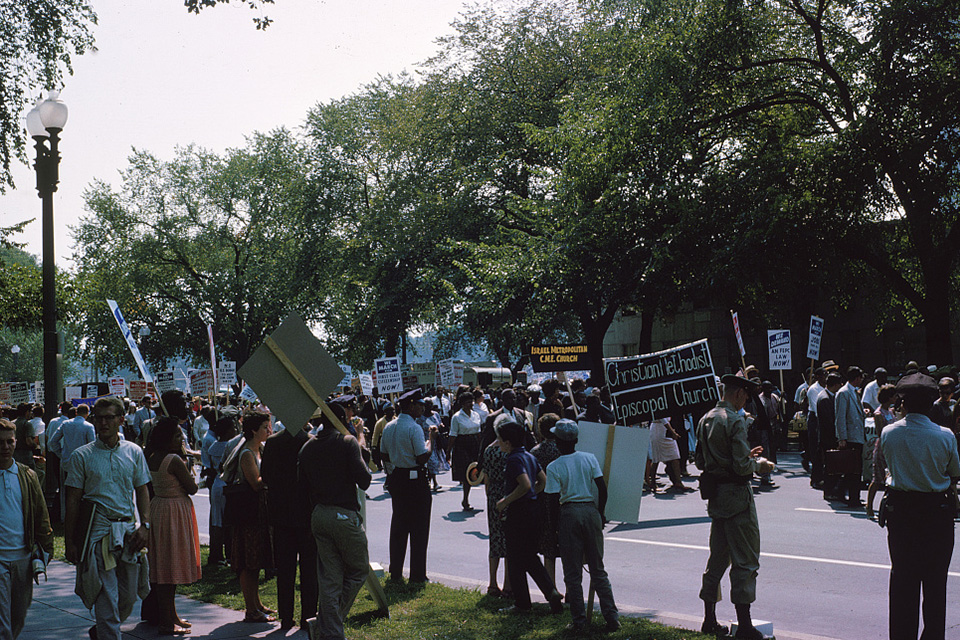
Promises and Protections: Are Rights Equal for Everyone?
Students will investigate whether natural rights have been equally protected for all people in the United States throughout history. Through analysis of constitutional rights, Jim Crow laws, voting rights expansion, and civic discussion, students will examine how rights and freedoms have been protected, limited, and expanded over time.
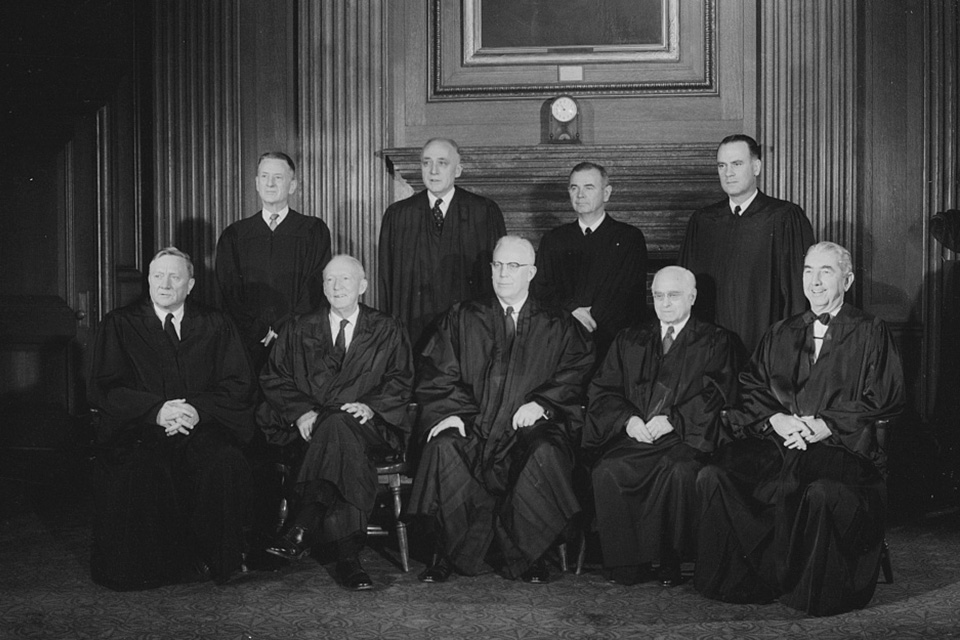
Beyond the Text
In this lesson, students investigate how the Supreme Court expands, limits, and redefines individual rights over time by analyzing landmark constitutional cases. Through a collaborative gallery walk and peer presentations, students compare legal precedents and construct an evidence-based argument on whether the Court should protect rights not explicitly written in the Constitution.