
The Power of Your Voice!
How do citizens protect their natural rights?
In this lesson, students will investigate the meaning of natural rights, their place in the Declaration of Independence, and the role of citizens in protecting these rights. Students will engage in small-group deliberation, utilize a myriad of resources, and ultimately engage in a student voice project. By the end of the lesson students will have seen several examples of fellow students engaging in active citizenship, and how they might exercise their own voice.
Objectives:
- Evaluate the principle of natural rights and how they have been defined in historic documents
- Evaluate the meaning of natural rights, and how a government can be used to protect such rights
- Consider the responsibility of a nation’s citizenry to engage in the protection of natural rights
- Evaluate examples of active citizenship in students of a similar age
Assessment:
- Station discussions and reflection
- Primary and secondary source analysis
- Final product (student choice)
Resources
Download Lesson
DownloadFeatured Lesson Plans
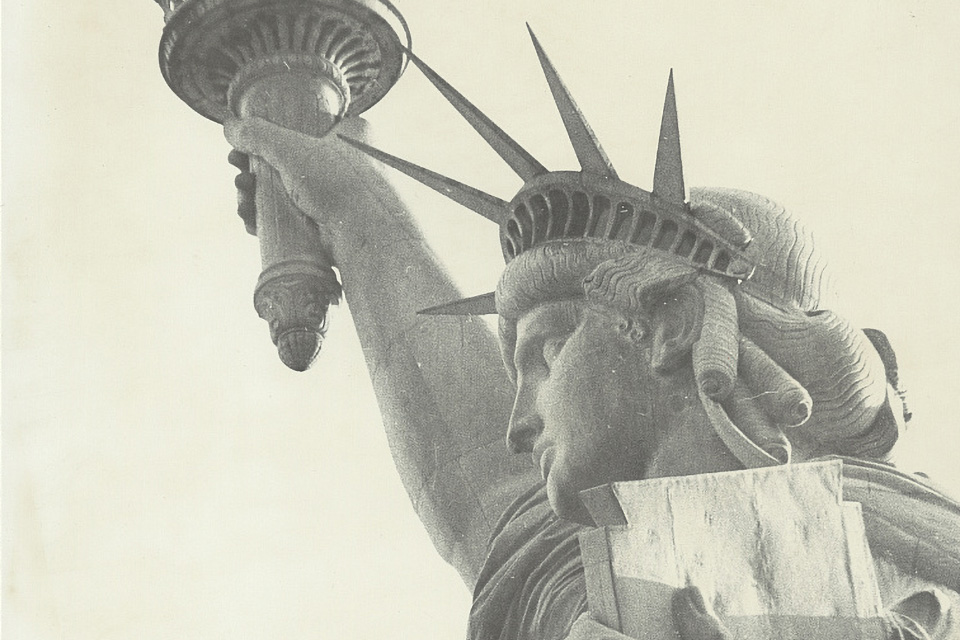
Pursuit of Happiness
In this lesson, students will investigate how Americans conceptualized the ‘Pursuit of Happiness’ at various points in history and how this relates to government action and their own individual civic virtue. Students watch a short video, examine excerpts from primary sources, and reflect on their own understanding of happiness through debate, dialogue, and writing. By the end of the lesson, students will evaluate whether it is more important to have a government of laws or a culture of individual civic virtue in order to promote the “pursuit of happiness.”
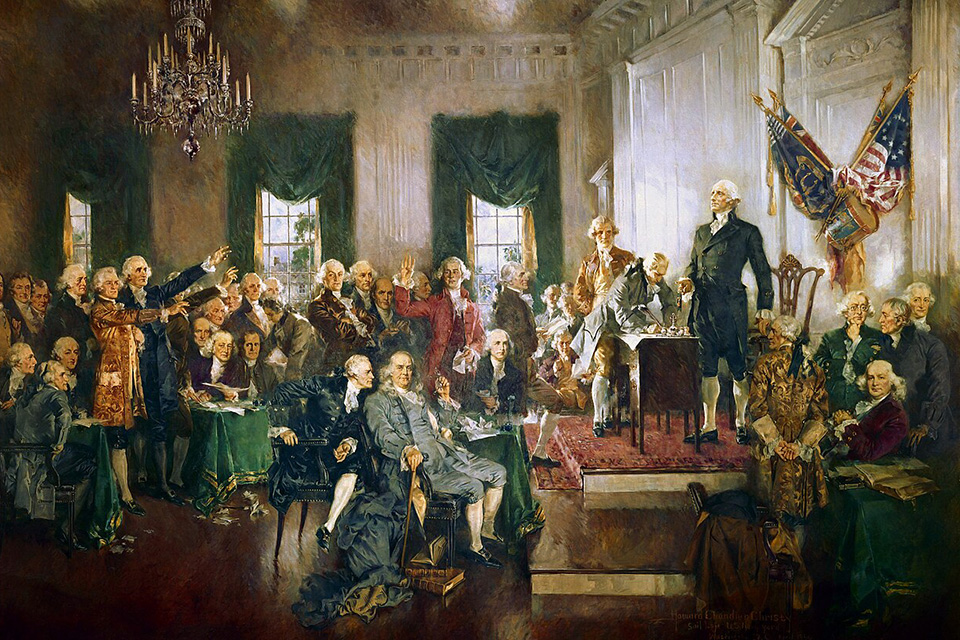
It Makes Sense! Common, That Is!
Students will trace the establishment of Republicanism in history using the primary sources including the Mayflower Compact, Common Sense, Declaration Of Independence, Articles Of Confederation, Constitution.
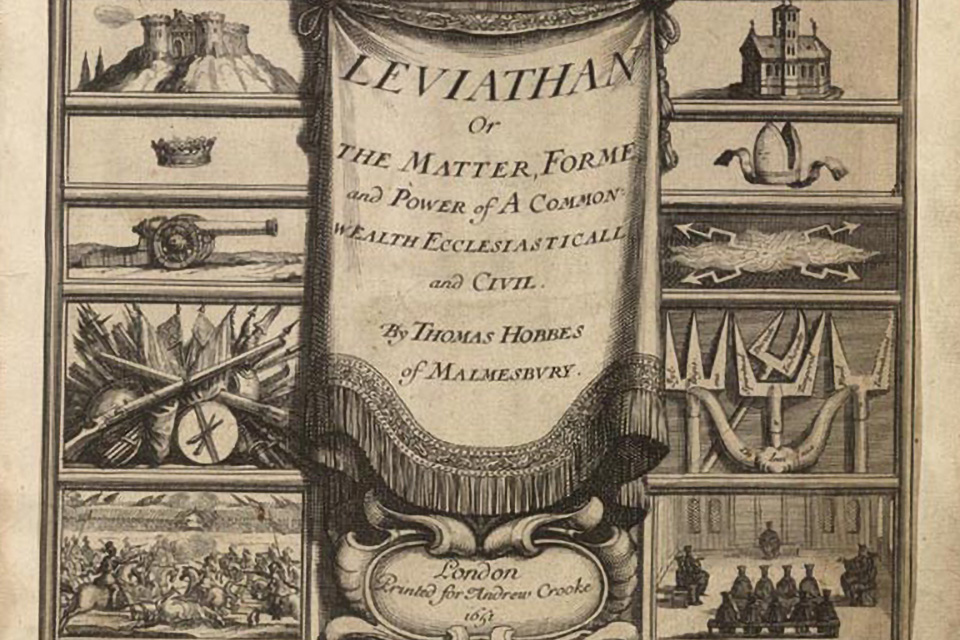
The Promises of America
In this lesson, students will explore and evaluate period-relevant treaties in relation to the concept of social contracts and their evolution.
“In 1787, in the Northwest Ordinance, Congress pledged that the utmost good faith would always be observed towards the Indigenous peoples of the nation and that land would never be taken from them without their consent. In reality, the policy of the United States fluctuated many times over the next two hundred years.”