
A Living Constitution
How can citizens have an active role in changing the Constitution?
In this lesson, students investigate how the Constitution balances stability and change through the amendment process and civic participation. Through analysis of Article V, historical amendments, and case studies of social movements, students examine how citizens have influenced constitutional change over time. Students evaluate why the amendment process is intentionally difficult, explore how civic action can lead to reform, and consider the role of individuals and groups in shaping a living Constitution.
Objectives:
- Students will be able to understand the amendment process.
- Students will be able to identify how the process lends itself to constitutional balance and stability
- Students will be able to analyze and evaluate movements in history where citizens’ actions have led to constitution change.
Assessment:
- Students will be able to understand the amendment process
- Flowchart Completion
- Students fill in missing steps of the amendment process
- (Proposal → Congress/Convention → Ratification → Law)
- 3–2–1 Exit Ticket
- 3 steps of the process
- 2 ways amendments are proposed
- 1 reason it is difficult to amend
- Sequencing Activity
- Cut-and-paste or digital drag-and-drop of steps in correct order
- Explain in Your Own Words
- “Describe how an amendment becomes part of the Constitution.”
- Students will be able to identify how the process lends itself to constitutional balance and stability
- T-Chart
- Left: Why the process allows change
- Right: Why the process protects stability
- Claim-Evidence Sentence Starter
- “The amendment process creates stability because…”
- “It still allows change because…”
- Short CER (Claim-Evidence-Reasoning) Paragraph
- Prompt:
How does the amendment process balance change and stability?
- Prompt:
Resources
Download Lesson
DownloadFeatured Lesson Plans
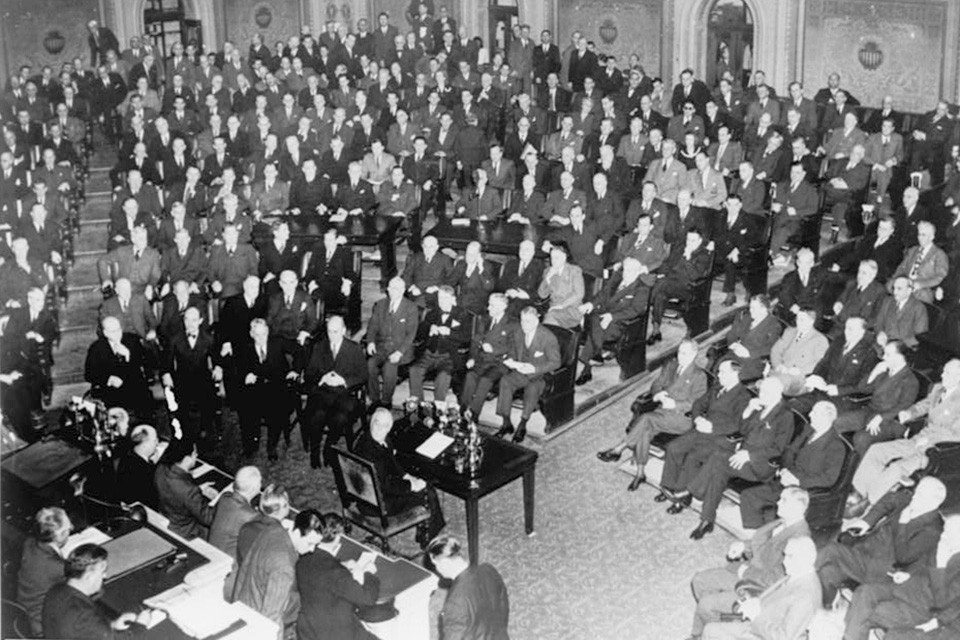
Above the Law
In this lesson, students examine how the rule of law and the principle of limited government shape and constrain executive power in the United States. Through analysis of the Declaration of Independence, constitutional principles, and landmark Supreme Court cases, students investigate how presidential authority has been expanded, challenged, and restricted throughout American history. Students apply their understanding through legal reasoning, collaborative discussion, and a moot court activity focused on contemporary questions about executive power and constitutional limits
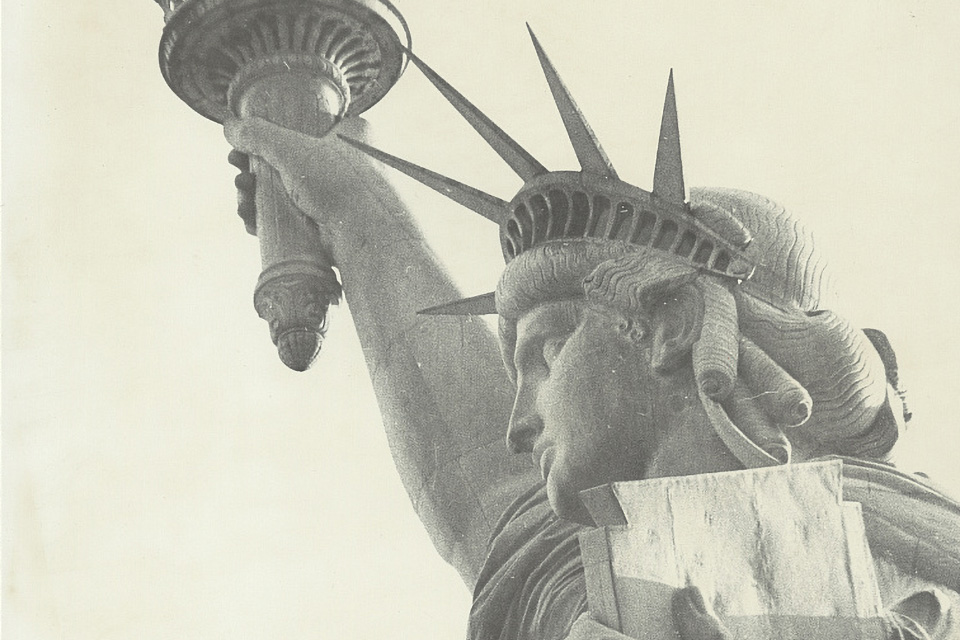
The Power of Your Voice!
In this lesson, students will investigate the meaning of natural rights, their place in the Declaration of Independence, and the role of citizens in protecting these rights. Students will engage in small-group deliberation, utilize a myriad of resources, and ultimately engage in a student voice project. By the end of the lesson students will have seen several examples of fellow students engaging in active citizenship, and how they might exercise their own voice.
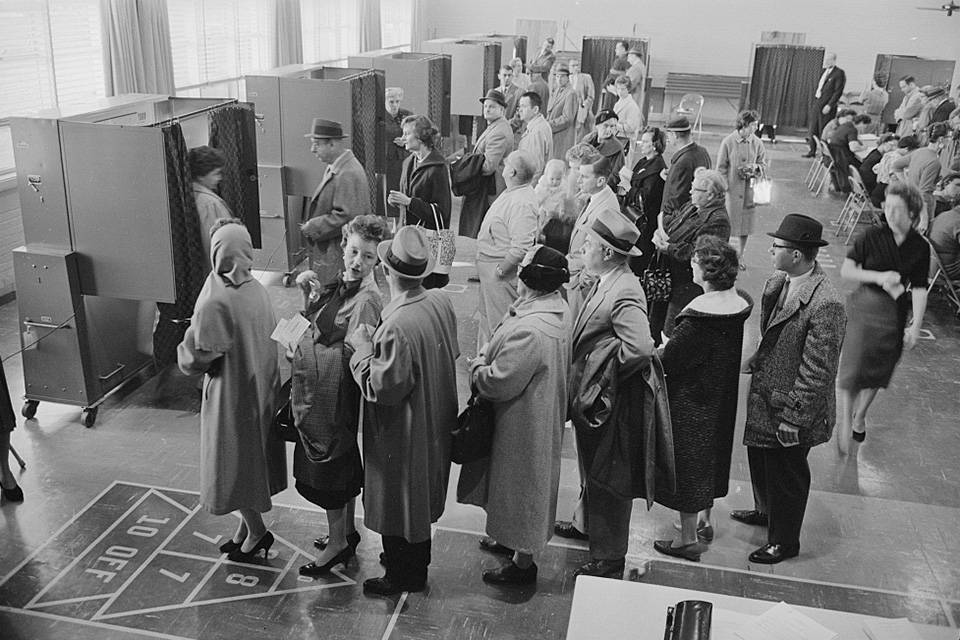
Expanding the Vote
Students will explore the tension throughout United States history in expanding the elective franchise. This tension draws into question some of the Declaration of Independence’s founding principles: popular sovereignty, republicanism, and equality.