
Colonial Grievances and the Social Contract
Did the colonial grievances show that the social contract between the colonies and Great Britain was broken?
In this lesson, students examine how the grievances in the Declaration of Independence demonstrate a broken social contract. Through a matching activity and analysis of draft documents from the Library of Congress, students identify patterns of unfairness and evolving argumentation. Using a Claim-Evidence-Reasoning framework, they practice identifying them as legal arguments and apply their understanding to modern contexts before completing a final written evaluation.
Objectives:
The student will be able to:
- Recognize each grievance and understand its meaning.
- Analyze how specific grievances changed over time.
- Explain how grievances function as evidence in an argument.
- Connect grievances to principles of Social Contract (consent, rights, legitimacy)
- Construct a Claim, Evidence, Reasoning (CER) argument using primary sources.
- Apply the concept of Social Contract to modern examples of representation and governance.
Assessment:
By the conclusion of the lesson students will have:
- Complete multiple graphic organizers focusing on
- Matching grievances to translated examples
- Identifying grievances in historical examples.
- Various short answer questions.
- Claim, Evidence, Reasoning writing.
Resources
Download Lesson
DownloadFeatured Lesson Plans
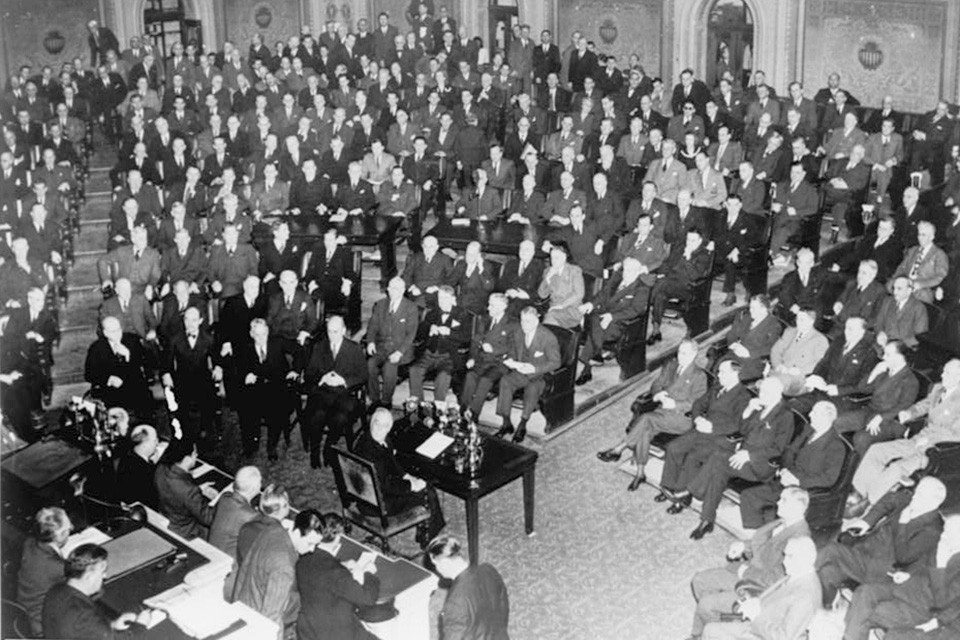
Above the Law
In this lesson, students examine how the rule of law and the principle of limited government shape and constrain executive power in the United States. Through analysis of the Declaration of Independence, constitutional principles, and landmark Supreme Court cases, students investigate how presidential authority has been expanded, challenged, and restricted throughout American history. Students apply their understanding through legal reasoning, collaborative discussion, and a moot court activity focused on contemporary questions about executive power and constitutional limits
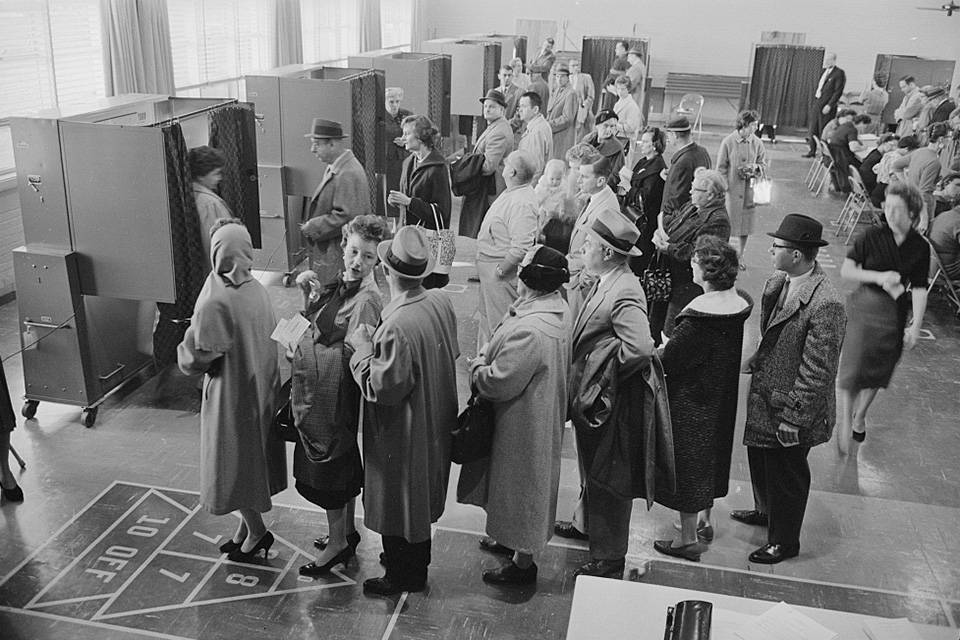
Expanding the Vote
Students will explore the tension throughout United States history in expanding the elective franchise. This tension draws into question some of the Declaration of Independence’s founding principles: popular sovereignty, republicanism, and equality.
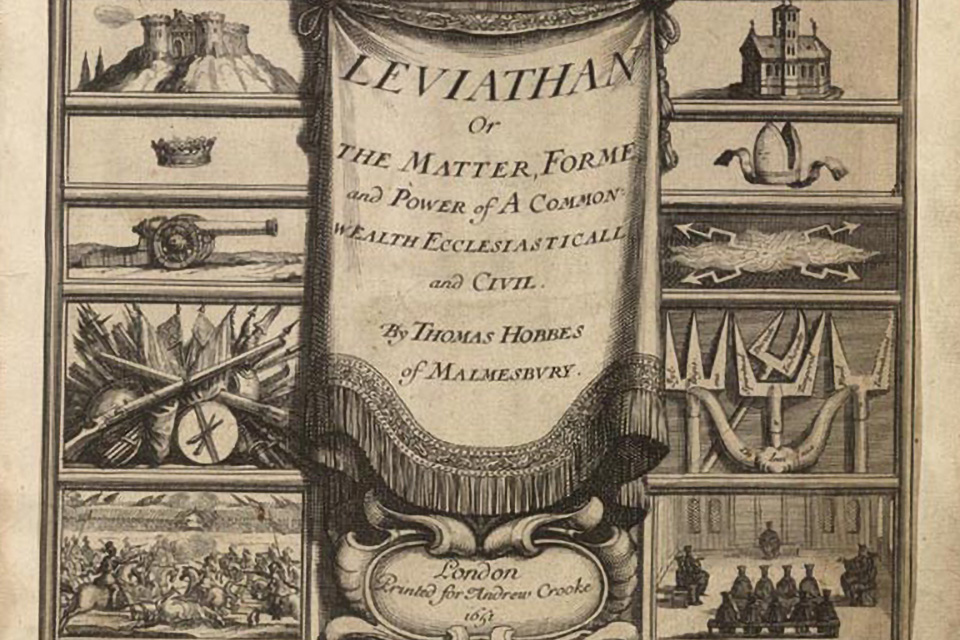
The Promises of America
In this lesson, students will explore and evaluate period-relevant treaties in relation to the concept of social contracts and their evolution.
“In 1787, in the Northwest Ordinance, Congress pledged that the utmost good faith would always be observed towards the Indigenous peoples of the nation and that land would never be taken from them without their consent. In reality, the policy of the United States fluctuated many times over the next two hundred years.”