
Promises and Protections: Are Rights Equal for Everyone?
How have natural rights expanded over time since the beginnings of the United States?
Students will investigate whether natural rights have been equally protected for all people in the United States throughout history. Through analysis of constitutional rights, Jim Crow laws, voting rights expansion, and civic discussion, students will examine how rights and freedoms have been protected, limited, and expanded over time.
Objectives:
- Analyze how constitutional rights and freedoms have been protected or limited throughout United States history.
- Examine how voting rights expanded for some groups while remaining limited for others.
- Evaluate whether natural rights have been equally protected in practice.
- Use evidence from historical sources and class discussions to support claims.
Assessment:
Assessments Include:
- Jim Crow Source Analysis
- Voting Rights Discussion
- Collaborative Discussions
- Exit Ticket
Resources
Download Lesson
DownloadFeatured Lesson Plans
Power of One
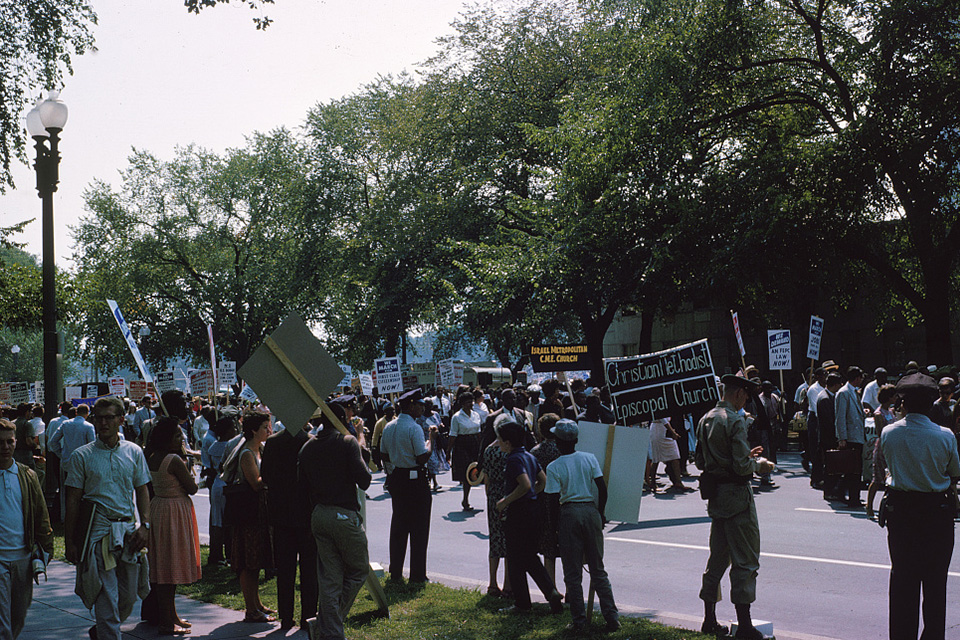
This lesson explores ways in which people can engage in civic renewal beyond voting. Students will analyze a photo of a protest, and then read and analyze case studies about kids making a difference through non-voting civic renewal initiatives. As part of their case study analysis, students will learn and apply the definitions of “top down” and “bottom up” approaches to civic action. As tweens and young teens are legally unable to vote, the ultimate goal of this lesson is to showcase inspiring examples of civic renewal that did not involve the power of voting.
Civic Compass
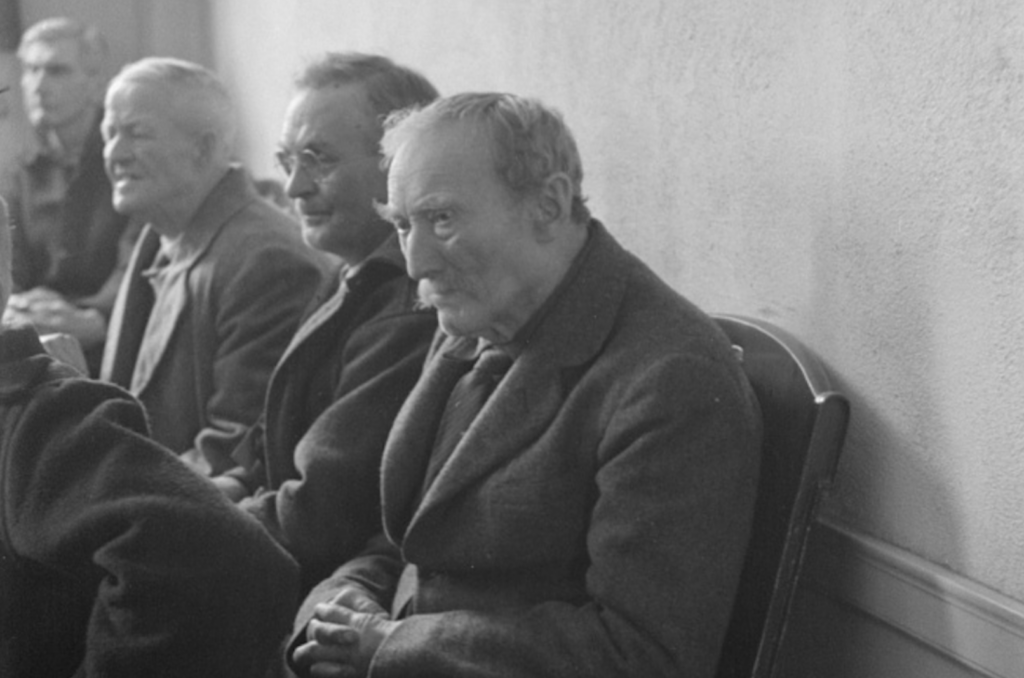
Civic virtue has been defined by the National Constitution Center as the character of a good participant in a system of government. Understanding the necessity of working towards the common good and positive personal habits are necessary for the health of a democracy and a system of government. This lesson asks students to reflect on character formation and the example set by notable Americans in the past to see how they exemplified civic virtue. Students will then consider civic virtue and the examples from previous generations and build a case for a living American that embodies civic virtue and serves as a civic role model.
Expanding the Vote
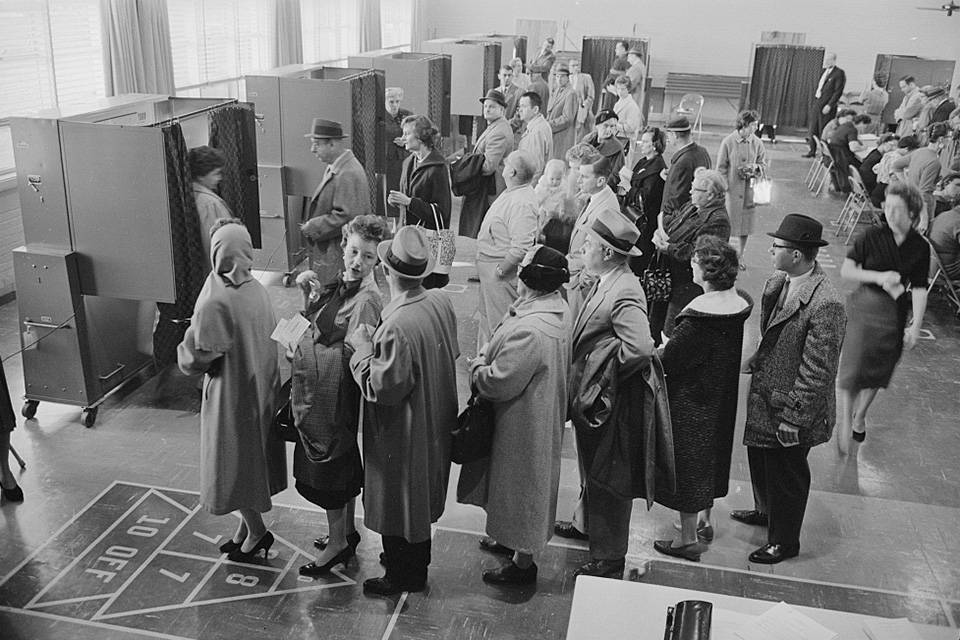
Students will explore the tension throughout United States history in expanding the elective franchise. This tension draws into question some of the Declaration of Independence’s founding principles: popular sovereignty, republicanism, and equality.